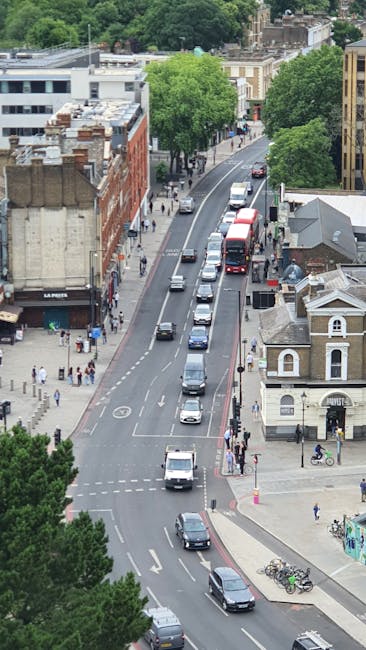
Colliers Wood removals: best streets and parking tips
Posted on 14/05/2026
If you are planning a move in Colliers Wood, the job is rarely just about boxes and a van. It is about where the vehicle can stop, which streets give you a bit of breathing room, and how to avoid that awkward five-minute shuffle where everyone is carrying furniture while someone circles the block. In busy parts of South West London, the difference between a smooth move and a frazzled one often comes down to parking strategy. That is why this guide to Colliers Wood removals: best streets and parking tips focuses on the practical stuff that actually saves time.
You will find street-level guidance, sensible loading advice, and a few local realities that are easy to overlook. If you are moving a flat, a house, or a student property, the same principle applies: know the access before the van arrives. Truth be told, that bit of planning can be the whole ball game.
For broader moving help in the area, you may also want to read our removal services overview, or check how our man with a van in Merton service fits smaller and medium-sized moves. If you are comparing options, our page on removal companies in Merton is a useful starting point.

Why Colliers Wood removals: best streets and parking tips Matters
Colliers Wood is a very liveable part of Merton, but it is not the easiest place to improvise on moving day. Streets can be narrow, parking spaces can disappear quickly, and a van that blocks a lane for too long tends to attract the wrong kind of attention. If you are moving near the high street, around busier residential roads, or close to flats and terrace housing, access planning matters just as much as packing.
Parking is not just a convenience issue. It affects how long the move takes, how much lifting you need to do, and how safe the whole process feels. A van parked well can cut dozens of small delays: fewer trips up and down stairs, less time carrying heavy items across pavements, and less stress for everyone involved. That is especially relevant if you are arranging flat removals in Merton or a tighter, staircase-heavy move.
It also helps to understand the local movement pattern. Some streets are better for quick loading because they are quieter or wider; others are technically fine but awkward at school run time, commuting hours, or on weekends when everyone seems to be out with a pram, a takeaway, or both. Not dramatic, just real life.
Expert summary: In Colliers Wood, the best move is usually the one you plan around parking first and furniture second. Choose the access route, confirm the loading point, then book the van around that reality.
If you are moving something delicate or bulky, such as an upright instrument or larger cabinets, the parking decision becomes even more important. You might find our piano removals in Merton page useful because it shows how careful access planning reduces risk. The same thinking applies to larger household furniture, which is why our furniture removals service can be a good fit when the move is more than just a few boxes.
How Colliers Wood removals: best streets and parking tips Works
At a practical level, a good Colliers Wood move has three moving parts: the property, the street, and the vehicle. You start by checking where the van can stop safely, then you work out the shortest and least awkward path between the front door and the loading bay. That sounds simple, but on a real street it often comes down to small details such as kerb height, road width, whether the pavement is clear, and whether the front entrance is shared.
The best streets for removals are usually the ones that allow a van to pause without causing congestion. In Colliers Wood, that often means looking for streets with more predictable residential parking, less through-traffic, and enough width to manage loading without blocking junctions. By contrast, very busy roads near shops or bus routes can be poor choices unless you have a clear plan and a timed arrival.
Think in terms of loading distance. A short walk from the van to the doorway can save a huge amount of time and effort, especially if you are moving heavy boxes, sofas, or wardrobes. Even a difference of 20 or 30 metres can make the day feel much smoother. It is the kind of thing nobody notices when it goes well, which is probably the point.
For people moving within the wider area, our house removals in Merton page explains how we approach larger domestic moves with the same access-first mindset. If you need a compact vehicle for a narrower street, our removal van in Merton page is worth a look too.
Key Benefits and Practical Advantages
The big benefit of planning parking properly is time. A small delay at the curb can turn into a chain reaction: slower loading, tired lifting, more trips, and a later finish. Good parking and access planning reduces that chain reaction before it starts.
- Faster loading and unloading because the van is positioned near the entrance.
- Lower physical strain from shorter carrying distances.
- Less chance of damage to furniture, walls, and door frames.
- Better schedule control if you have a key handover or move-in slot.
- Less stress for neighbours and passers-by because the move looks organised rather than improvised.
There is also a financial upside, even if it is indirect. When access is straightforward, a removal team can work more efficiently. That can mean fewer booked hours, fewer awkward pauses, and fewer wasted trips. If you are comparing providers, a team that knows local conditions can often give better advice up front. Our pricing and quotes page explains how estimates are typically shaped by access, distance, and load size.
And if you are moving on a tight deadline, perhaps after an unexpected change of plan, you may want to explore same day removals in Merton. In a pinch, parking certainty becomes even more valuable because there is no spare time to work around surprises.
Who This Is For and When It Makes Sense
This guide is useful for anyone moving in or out of Colliers Wood, but it is especially relevant if your property has limited frontage, shared access, or a busy road outside. That includes people in flats, maisonettes, terraced homes, student lets, and compact family houses where the street is doing half the work and half the problem.
If you are a student moving between rentals, access is often overlooked until the last minute. Boxes, bed frames, and desk chairs are manageable, but only if the van can stop sensibly. Our student removals in Merton service is designed for those smaller but still awkward moves.
It also makes sense for:
- families moving locally and trying to keep disruption low
- people with large furniture or fragile items
- tenants who need a quick, tidy move-out
- homeowners coordinating cleaners, handovers, or deliveries
- small offices or home-based businesses shifting stock or equipment
If your move is business-related, the access planning becomes a little more formal. Vans need space, your building may have timed entry rules, and you may need to think about reception, lifts, and loading bays. Our office removals in Merton page covers that scenario in more detail.
Step-by-Step Guidance
1. Identify the property access point first
Before you think about the van, stand outside the property and check the exact access route. Is there a front drive? A shared entrance? A side passage? A narrow stairwell? A small detail like that can change the whole moving plan. If you are inside, it is easy to underestimate how much room a sofa or mattress really needs at the doorway.
2. Choose the safest loading side of the street
The best parking spot is not always the closest one. It is the one that lets people move safely, keeps the van out of the flow of traffic, and avoids blocking residents or emergency access. On some streets, a slightly longer walk is the better choice because it allows a cleaner lift path and less awkward reversing.
3. Check restrictions before the move day
Look for permit zones, yellow lines, single-file sections, and places where stopping is likely to cause trouble. If in doubt, check with the local authority or parking signs on the street itself. Don't assume the space that looked free yesterday will still be available at 9 a.m. on moving day.
4. Time the arrival properly
Mid-morning can often work better than the school-run window or the start of the commute, but local conditions vary. The basic aim is simple: reduce traffic pressure and avoid the busiest stretches. If the move involves a key collection or handover, build in a margin. A late van plus a delayed parking plan can quickly become a headache.
5. Pre-pack for fast handoff
Parked correctly, the van still only works if the boxes are ready. Label the heaviest items, separate fragile things, and keep essentials in one clearly marked bag. That way, the loading area stays orderly and nobody is hunting for phone chargers in the last five minutes. We also recommend using proper materials from our packing and boxes service if you want stronger, cleaner packing from the start.
6. Leave room for the unexpected
A passing bin lorry, a neighbour's car, or a blocked entrance can all disrupt the best-laid plan. Build a little flexibility into the day. It is much easier to adjust a plan than to fix a rushed lift with a scratched door frame.
Expert Tips for Better Results
Here is the sort of advice that tends to make a difference on the day, not just on paper.
- Walk the route with the van in mind. Imagine carrying the biggest item from the front door to the vehicle. If that route feels awkward, it probably is.
- Use a spotter if the street is tight. One person guiding the driver can prevent a lot of unnecessary manoeuvring.
- Keep the first-load items near the exit. Heavy furniture and priority boxes should not be buried at the back of the property.
- Protect the hand points. In a cramped street, items get bumped more often. Blankets, straps, and corner protection really help.
- Think about neighbours early. A quick heads-up can go a long way, especially if the van may need short-term access near a shared entrance.
One thing we see a lot is people overestimating the room in front of a property. You pull up, and suddenly the pavement is narrower than expected, the path is steeper than it looked on Google Maps, and the wheelie bins are exactly where you do not want them. Happens all the time. A little realism helps.
If your move involves heavier pieces, our removal services in Merton page is useful for seeing how a broader team approach can help with lifting, loading, and access coordination. For smaller jobs where speed matters more than scale, a man and van in Merton can be the better fit.

Common Mistakes to Avoid
The most common error is assuming parking will sort itself out on the day. In some streets it might. In many, it will not.
- Booking the van before checking access. Vehicle size should match the street, not just the volume of items.
- Ignoring parking signs. A space that looks fine may still be restricted by time, permit, or loading rules.
- Forgetting about neighbours' vehicles. Residential parking can be unpredictable by late morning.
- Leaving bulky items until last. The hardest items should be the first ones planned, not the last ones discovered.
- Assuming every road suits a large van. Some streets are simply easier with a smaller vehicle.
- Not allowing enough time for stair carry. Steps slow everything down, especially with furniture.
Another sneaky issue is weather. A damp morning can make pavements slippery and cardboard weaker than expected. That is when a rushed carry starts to feel like a bad idea. Better to pause for ten seconds than scrape a wardrobe corner across the curb. Simple, but worth saying.
Tools, Resources and Recommendations
You do not need fancy equipment to move well, but a few basics make life much easier.
- Furniture blankets for protecting wood, paint, and polished surfaces.
- Straps and ties to keep items steady inside the van.
- Good box tape because moving boxes fail at the worst moment.
- Gloves with grip for safer carrying in damp or dusty conditions.
- Parking apps or map checks to review nearby loading options before arrival.
For people who want a more complete service, our removals in Merton page is a strong overview of the wider moving support available. If you are storing items between properties, which happens more often than people think, see storage in Merton for a practical interim option.
And if you want to better understand the area before you move, the broader local context can help. Our Merton reviewed by locals article gives a sense of the neighbourhood feel, while the piece on Merton's peaceful side in London adds a little local colour.
Law, Compliance, Standards, or Best Practice
When you are moving a van into a residential street, common-sense compliance matters. That means respecting parking restrictions, avoiding unsafe blocking of driveways or junctions, and making sure the load is secure. In the UK, drivers and removal teams are expected to act with reasonable care, and councils may enforce restrictions where loading causes obstruction or danger.
We should be careful here: local parking rules vary by street, borough, time of day, and permit zone. So while the best practice is clear, the exact rulebook depends on the location. It is always sensible to check signage on the street, and if necessary, the local council guidance before the move. If your building has a management company or concierge, ask them early about delivery windows and access arrangements.
Safety is equally important inside the van. Loads should be strapped, heavy items placed low, and fragile items separated. Our insurance and safety page explains the kind of precautions that support a careful move. If you want to know more about how we operate, the about us page gives a better sense of the approach behind the service.
For people who care about sustainability, it is also reasonable to think about packing waste and re-use. Our recycling and sustainability page covers the broader mindset. It is not glamorous, but it matters.
Options, Methods, or Comparison Table
There is no single right way to handle a move in Colliers Wood. The best option depends on street width, load size, and how much walking distance you can tolerate. Here is a simple comparison to help you choose.
| Method | Best for | Pros | Watch out for |
|---|---|---|---|
| Small van with short curb access | Flats, student moves, lighter loads | Easier parking, faster positioning, less street disruption | May need more trips if the load is large |
| Medium van with planned loading point | Most household moves | Balanced capacity and access, good for mixed furniture | Needs careful timing on busier streets |
| Full-house removal setup | Larger family homes or multi-room moves | Efficient for bigger loads, better for organised crews | Harder to place on tighter roads without planning |
| Two-stage move with storage | Delayed completion dates or downsizing | Less pressure on moving day, flexible timing | More coordination required |
If you are not sure which approach suits you, it often helps to speak to a local team before booking. A quick conversation can reveal whether your street is better handled with a smaller vehicle, a later arrival, or a split load. For a straightforward route to booking support, you can use our contact page or review the pricing and quotes page first.
Case Study or Real-World Example
A typical Colliers Wood move might look like this. A couple is leaving a second-floor flat with a sofa, bed frame, dining table, and a stack of boxes. The road outside has a mix of resident parking and occasional visitor spaces, but it is also used by delivery drivers and commuters. On paper, it looks manageable. In practice, the first gap is not right outside the building, and the nearest space is a little further up the road.
Instead of forcing the biggest van into the tightest position, the team chooses a spot that allows safe loading without blocking the flow of traffic. One person keeps an eye on the street while the other two move the items in order: first the bulky furniture, then the boxes, then the small loose pieces. Because the route is clear and the van is positioned well, the move stays calm. Not rushed. Not chaotic. Just sensible, which is underrated.
The real win was not speed for its own sake. It was avoiding avoidable strain. No furniture got nicked on the kerb, nobody had to carry a wardrobe a ridiculous distance, and the customer could still hand the keys back on time. That is the sort of result a good parking plan creates.
If your move is similar but includes odd-shaped items, such as a long mirror, exercise gear, or a heavier cabinet, the same logic still applies. Planning the parking point first makes the entire job cleaner. And if the move includes especially bulky items, our furniture removals support can help you manage the awkward bits with less fuss.
Practical Checklist
Use this before moving day. It keeps things simple.
- Confirm the property address and exact access point
- Check whether the street has permit or loading restrictions
- Identify the safest place for the van to stop
- Measure any tight doorways, stairs, or hallways if needed
- Prepare labels for fragile, heavy, and priority boxes
- Set aside tools, tape, and protective materials
- Tell neighbours if the move could briefly affect access
- Keep keys, documents, and phone chargers in one easy-to-reach bag
- Allow extra time for parking changes or loading delays
- Confirm the van size matches the street and the load
Quick reality check: if any one of those items feels uncertain, that is the thing to sort first. Usually it is the parking, sometimes the box count, occasionally the lift access. But there is always a bottleneck somewhere.
Conclusion
Moving in Colliers Wood becomes much easier when you treat parking as part of the move, not an afterthought. The best streets are the ones that let you load safely, keep the van close enough to be efficient, and avoid unnecessary disruption to residents and traffic. That is the quiet advantage behind a smooth move.
Whether you are planning a flat move, a house move, or a smaller man-and-van job, a little local knowledge goes a long way. Choose the loading point carefully, check restrictions early, and keep the day organised. It is a simple formula, but it works. And honestly, that is what most people want on moving day: fewer surprises, fewer heavy lifts, and a bit of breathing room.
If you are ready to plan your move properly, speak with a local removals team and get the access details mapped out before the van arrives.
Get a free quote today and see how much you can save.